CeraVe Lawsuits: Millions of Consumers With Questions About Safety
The skincare industry is facing another major spotlight moment, and this time one of the biggest names in dermatology-recommended skincare is making headlines.
If you’ve ever walked through a beauty aisle, chances are you’ve seen CeraVe products sitting front and center. Known for gentle formulas and dermatologist recommendations, the brand has built a reputation on trust. But now, several lawsuits are raising questions about whether some of its acne treatment products may contain or generate a potentially dangerous chemical known as benzene.
What’s really happening? Are consumers at risk? And what could these lawsuits mean for the future of skincare products across the industry?
Let’s break it all down.
Why Is CeraVe Facing Lawsuits?
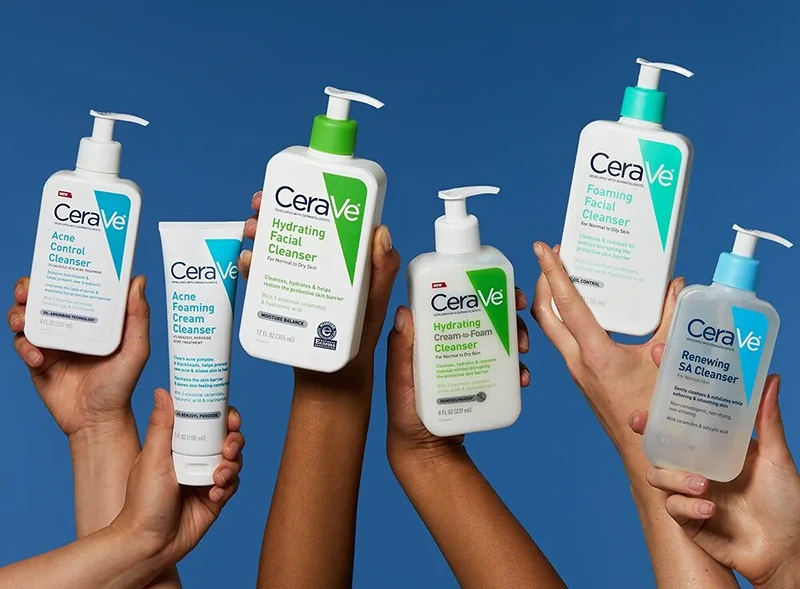
Consumers have filed several class-action lawsuits against CeraVe and its parent company, L’Oréal, alleging that certain benzoyl peroxide acne treatment products contain or generate benzene. The lawsuits claim that some products may produce unsafe levels of benzene, a chemical classified as a known human carcinogen.
The legal actions stem from testing conducted by independent laboratory Valisure, which reported that benzoyl peroxide products could degrade and form benzene under certain storage conditions, including elevated temperatures. The findings sparked widespread concern among consumers and prompted legal action against multiple skincare brands.
Plaintiffs allege that consumers purchased the products believing they were safe and that companies failed to adequately warn customers about the potential risks.
What Is Benzene?
Manufacturers commonly use benzene in industrial production processes. Researchers have linked long-term exposure to high levels of benzene to blood-related cancers, including leukemia, as well as other serious health conditions.
It’s also important to understand that manufacturers do not intentionally add benzene to acne products. Instead, concerns focus on whether benzoyl peroxide can break down and create benzene under certain conditions.
Instead, the concern centers around whether benzoyl peroxide, a common acne-fighting ingredient, can break down and create benzene over time or when exposed to heat.
That distinction has become a key part of the ongoing legal and scientific debate.
Which CeraVe Products Are Involved?
The lawsuits primarily focus on certain CeraVe acne treatment products that contain benzoyl peroxide.
According to court filings and consumer complaints, products including acne cleansers and acne treatment formulations have been named in the litigation. Plaintiffs argue that these products may contain or generate benzene at levels that exceed federal guidelines under certain conditions.
As of now, consumers should understand that allegations in lawsuits remain claims until proven in court.
What Does the FDA Say?
In March 2025, the U.S. Food and Drug Administration released the results of its own testing of 95 benzoyl peroxide acne products. The agency found that more than 90% of tested products contained either undetectable or extremely low levels of benzene. Only a limited number of products were subject to voluntary retail-level recalls.
The FDA also emphasized that even with daily use of affected products over long periods, the overall cancer risk associated with the levels detected was considered very low.
That statement has added another layer of complexity to the lawsuits, as attorneys for plaintiffs continue to argue that consumers deserve greater transparency and stronger product testing standards.
My Final Thoughts
From the DJ booth to the beauty aisle, one thing I’ve learned is that reputation matters.
CeraVe has spent years building itself into one of the most trusted names in skincare. Now, as lawsuits continue to unfold, consumers are watching closely to see how the company responds and what the courts ultimately decide.
For now, the legal process is still ongoing, and no final judgments have been reached. But one thing is clear: this story isn’t over yet.
As new court filings, scientific studies, and regulatory updates emerge, the skincare industry will be paying attention and so will consumers.
Stay tuned, because this is one beauty industry story that’s still developing.