Swizz Beatz Sues North Carolina Bar Over Alleged Copyrighted Music Use
When it comes to protecting music, artists and publishers aren’t playing around.
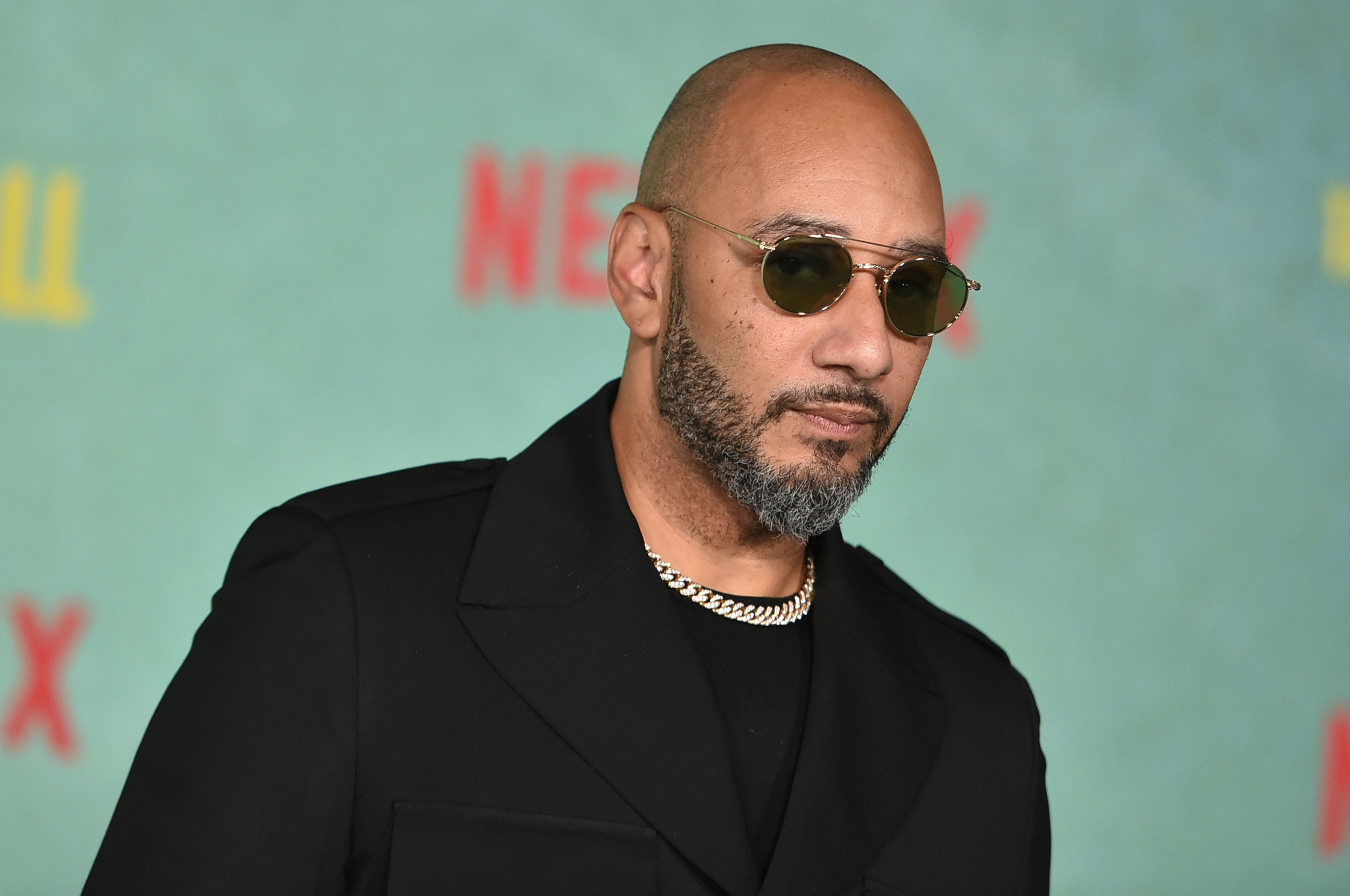
This week, legendary producer, rapper, and songwriter Swizz Beatz made headlines after joining several major music publishers in a lawsuit against a North Carolina bar accused of playing copyrighted music without the proper licensing. It’s another reminder that music isn’t just entertainment—it’s intellectual property, and every public performance carries legal responsibilities.
As someone who lives and breathes music culture every day, I always tell artists to protect their work. This latest lawsuit proves why understanding music licensing matters just as much as creating the music itself.
Let’s break down what happened and why this case has the entire music industry paying attention.
Why Is Swizz Suing this Bar?
According to court documents filed in federal court, Swizz Beatz and several prominent music publishers claim that Boatyard Lake Norman, a bar located in Cornelius, North Carolina, publicly played copyrighted songs without obtaining the required performance license.
The lawsuit alleges the venue played multiple well-known songs despite repeated attempts by the American Society of Composers, Authors and Publishers (ASCAP) to resolve the issue over several years. The plaintiffs claim the business continued using protected music without securing the proper licensing agreement.
What This Means for Independent Artists
Independent artists spend countless hours writing, recording, producing, and promoting their music.
Performance royalties remain one of the most overlooked income streams available to songwriters.
Every licensed public performance helps generate revenue that supports the people behind the music. Cases like this reinforce why registering songs with performing rights organizations and protecting publishing rights are essential parts of building a long-term music career.
Whether you’re signed or independent, your catalog has value.
Protect it.
What Is ASCAP and Why Does It Matter?
Many people assume that paying for Spotify, Apple Music, or YouTube Premium gives businesses permission to play music publicly.
It doesn’t.
Businesses like bars, restaurants, clubs, lounges, hotels, and event venues generally need a public performance license from organizations such as ASCAP before playing copyrighted music for customers.
These licensing organizations collect royalties and distribute payments to songwriters, composers, and music publishers whose music generates business value.
According to the lawsuit, ASCAP allegedly contacted the venue numerous times over several years in an effort to obtain compliance before legal action became necessary.
How Much Could the Bar Owe?
The lawsuit requests statutory damages ranging from $750 to $30,000 per copyrighted work, depending on what the court ultimately decides.
The plaintiffs are also seeking:
- Attorney’s fees
- Court costs
- A permanent injunction preventing the venue from publicly performing ASCAP-licensed music without authorization
While the final outcome remains unknown, the financial consequences could become significant if the court rules in favor of the plaintiffs.
DJ Ms. Hypnotique’s Take
The music industry continues evolving, but one thing hasn’t changed—creators deserve to be compensated for their work.
This lawsuit serves as another wake-up call that copyright laws aren’t optional. Whether you’re running a neighborhood bar, promoting concerts, or operating a large entertainment venue, respecting music licensing protects the entire creative ecosystem.
Artists create the soundtrack to our lives.
Businesses profit from that soundtrack every day.
Making sure those creators receive the royalties they’ve earned isn’t just good business—it’s the right thing to do.
As this case moves through federal court, music professionals across the country will be watching closely. The outcome could reinforce the importance of music licensing and encourage more venues to review their compliance before finding themselves facing similar legal action.
One thing is certain—when it comes to protecting music rights, Swizz Beatz and the publishing community are sending a clear message: every song has value, and every performance matters.