Nike Music Executive Accused of $1M Kickback Scheme: Inside the Allegations Shaking the Music Industry
By DJ Ms. Hypnotique
When most people hear the name Nike, they immediately think of sneakers, superstar athletes, and billion-dollar marketing campaigns. But this week, the conversation isn’t about the latest sneaker release or championship endorsement.
Instead, one of Nike’s longtime music executives is making headlines after being accused of orchestrating a $1 million kickback scheme tied to the company’s music licensing operations. It’s the kind of story that reminds us just how much money flows behind the scenes of the entertainment business—and why accountability matters at every level.
Let’s break down exactly what’s happening and why people throughout the music industry are paying close attention.
What Happened?
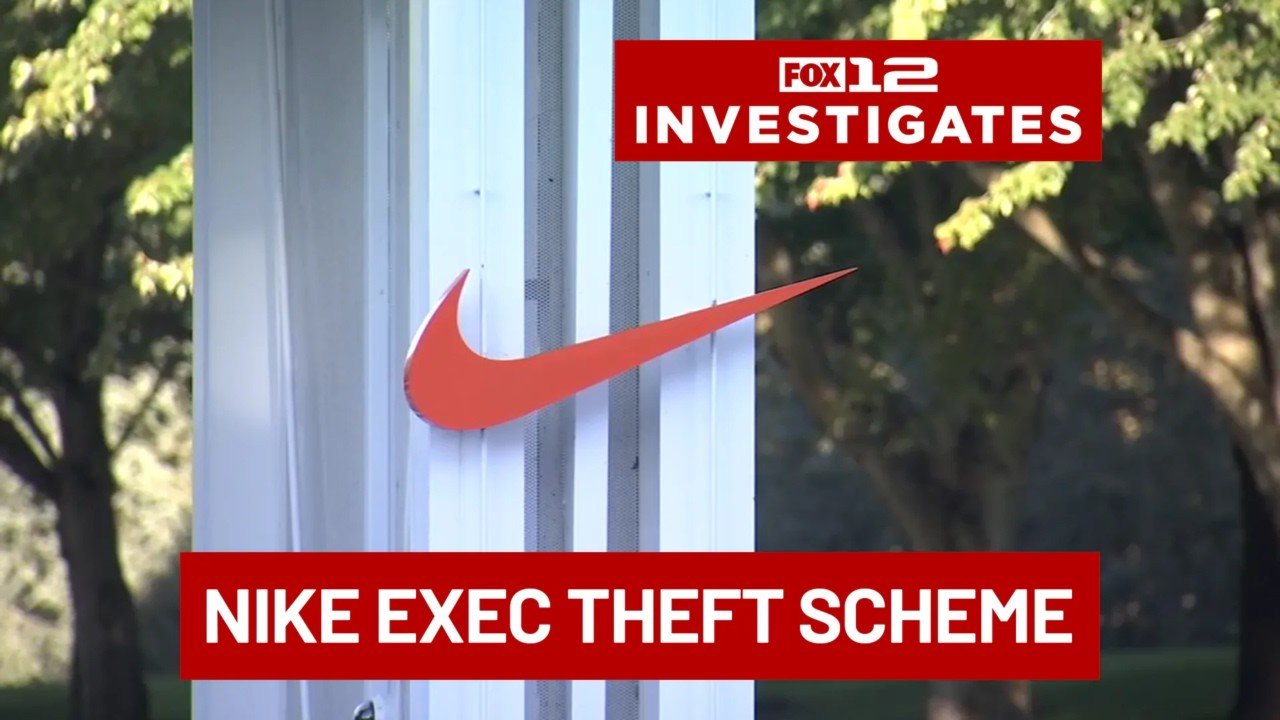
According to prosecutors in Oregon, John Griffith, Nike’s former Head of Global Brand Marketing, Music Supervision, Strategy and Licensing, has been indicted alongside music consultant Brad Mosher in connection with an alleged scheme that authorities say stole more than $1 million from Nike.
Investigators allege that between June 2020 and December 2022, Griffith approved inflated payments to Mosher’s music licensing company, Good Measure LLC. Prosecutors claim that after Nike paid those invoices, nearly half of the money was secretly routed back to Griffith through another company allegedly controlled by him, Quiver and Bow LLC.
Authorities say they identified at least 11 fraudulent transactions totaling more than $1 million. Both men now face multiple felony charges, including:
- Racketeering
- Aggravated theft by deception
- Money laundering
The allegations remain unproven, and both defendants are entitled to defend themselves in court. No trial date has been announced.
Why the Music Department?
Many people don’t realize that companies like Nike invest enormous amounts of money into music.
Every commercial… athlete campaign… social media rollout… and each global brand launch requires carefully selected music.
Music supervisors negotiate licensing agreements, commission original music, work with artists, publishers, labels, and production companies, and oversee millions of dollars in creative spending each year.
That makes trust and transparency essential.
According to prosecutors, Griffith allegedly used that authority to manipulate vendor payments for personal financial gain.
What This Could Mean for Corporate Music Licensing
Major brands rely on music more today than ever before.
Whether it’s Nike…
Adidas…
Apple…
Netflix…
or luxury fashion houses…
music licensing has become a critical part of brand identity.
This case could encourage companies to strengthen internal controls by:
- Increasing oversight of vendor relationships
- Expanding financial audits
- Requiring additional approval layers
- Improving contract transparency
- Closely reviewing consultant payments
For music professionals, this could mean stricter compliance requirements when working with major brands.
Final Thoughts
Whether you’re an artist, producer, DJ, music supervisor, or simply someone who follows entertainment news, this case serves as another reminder that success in this industry isn’t built solely on talent—it’s also built on trust.
I’ll be following this story as it develops and keeping you updated with the latest news affecting artists, executives, and the ever-changing music business.
Stay locked in. Stay informed. And remember—behind every hit record and every major campaign is a business that depends on integrity.
— DJ Ms. Hypnotique